

I’ve spent years watching insurers reject perfectly insurable homes. Not because the risk is too high. Because the paperwork is too much trouble.
When your premium costs HK00 annually—insurers can’t justify spending three hours chasing building compliance documents from an unresponsive property management company. They’d rather walk away.
This economic reality shapes everything about how home contents insurance premiums work. And most homeowners have no idea.
The Efficiency Calculation Nobody Mentions
Related reading
- Our Home Contents Insurance service page — full overview of coverage we arrange.
- Expat Home Insurance HK
- Home Contents for Residents
Here’s what happens when you apply for home contents insurance on a village house.
The insurer asks for the property size and built year. You contact your landlord. The landlord doesn’t have the information. You try the management company. They’re not responding. You’re stuck.
The insurer won’t quote.
This isn’t about risk assessment. It’s about efficiency. With home contents insurance premiums starting at HK00 annually, insurers have designed their entire underwriting process around one principle: prioritise the easy business.
High-rise apartments have readily available data. Size, age, building specifications—it’s all there. The underwriting decision takes minutes.
Village houses require investigation. Phone calls. Document requests. Follow-ups with reluctant landlords.
For a HK00 annual home contents insurance premium, the maths doesn’t work.
Automating underwriting processes could allow insurers to reap efficiency gains of 60 billion by 2027, according to Accenture.1 The big savings come from scale—handling massive volumes without expanding underwriting teams.
But that only works when the data flows smoothly.
The 50-Year Threshold(1)
If your building is over 50 years old, expect more questions.
Insurers want to know about recent renovations. Building compliance. Fire prevention measures in common areas—sprinklers, fire alarms, extinguishers. Outstanding issues from the building department.
This isn’t arbitrary. It’s about water leaks and electrical failures.
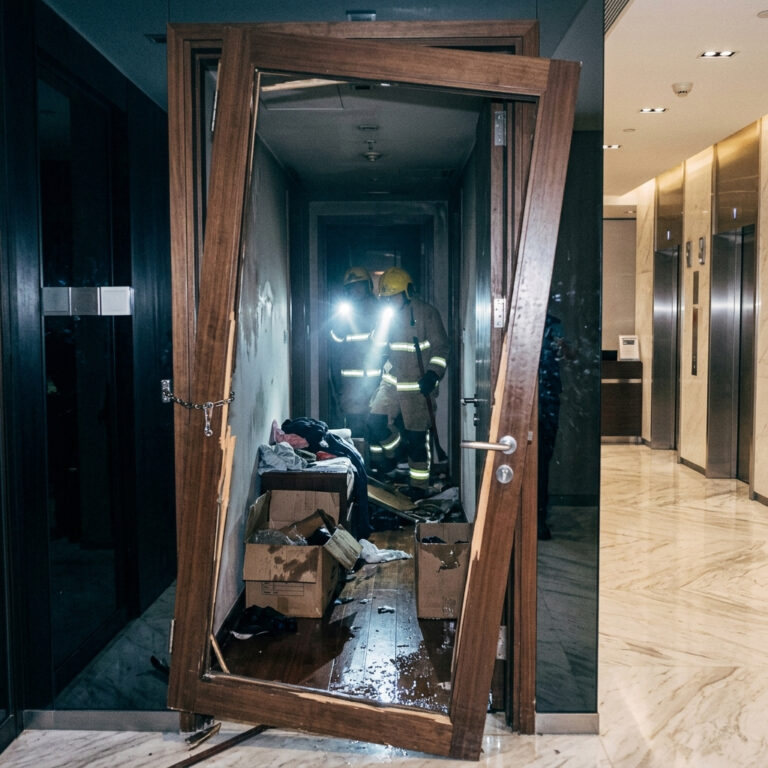
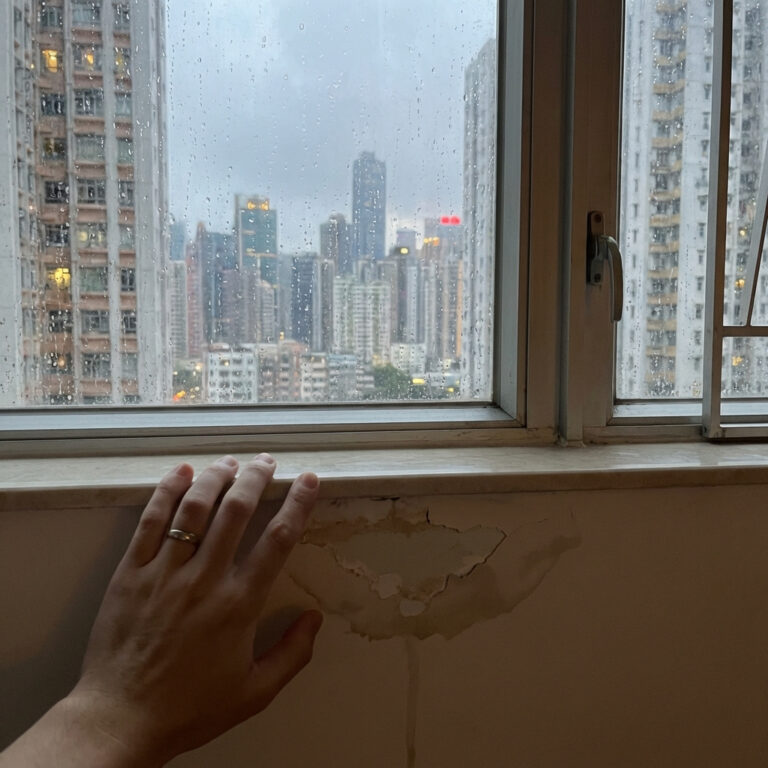
Old pipes burst. Poor maintenance leads to floods. Outdated electrical systems cause fires. The insurer isn’t worried about your building’s structural integrity. They’re worried about what happens to your belongings when those old pipes finally give way.
If the building has outstanding compliance issues, most insurers won’t quote at all.
You’re not uninsurable because you’re high risk. You’re uninsurable because verifying your actual risk level costs more than your home contents insurance premium.
How Excess Really Works
Most people think home content insurance works like motor insurance. Higher voluntary excess, lower premium.
It doesn’t.
Standard home content insurance policies don’t offer adjustable excess options. The insurer sets the excess, and you accept it or look elsewhere.
But here’s what most homeowners miss: your home content insurance policy has multiple excess levels built in.
General excess. Theft from the home. Water damage claims. Theft or loss of personal belongings outside the home. Third party liability claims(2).
Each category has its own excess amount.
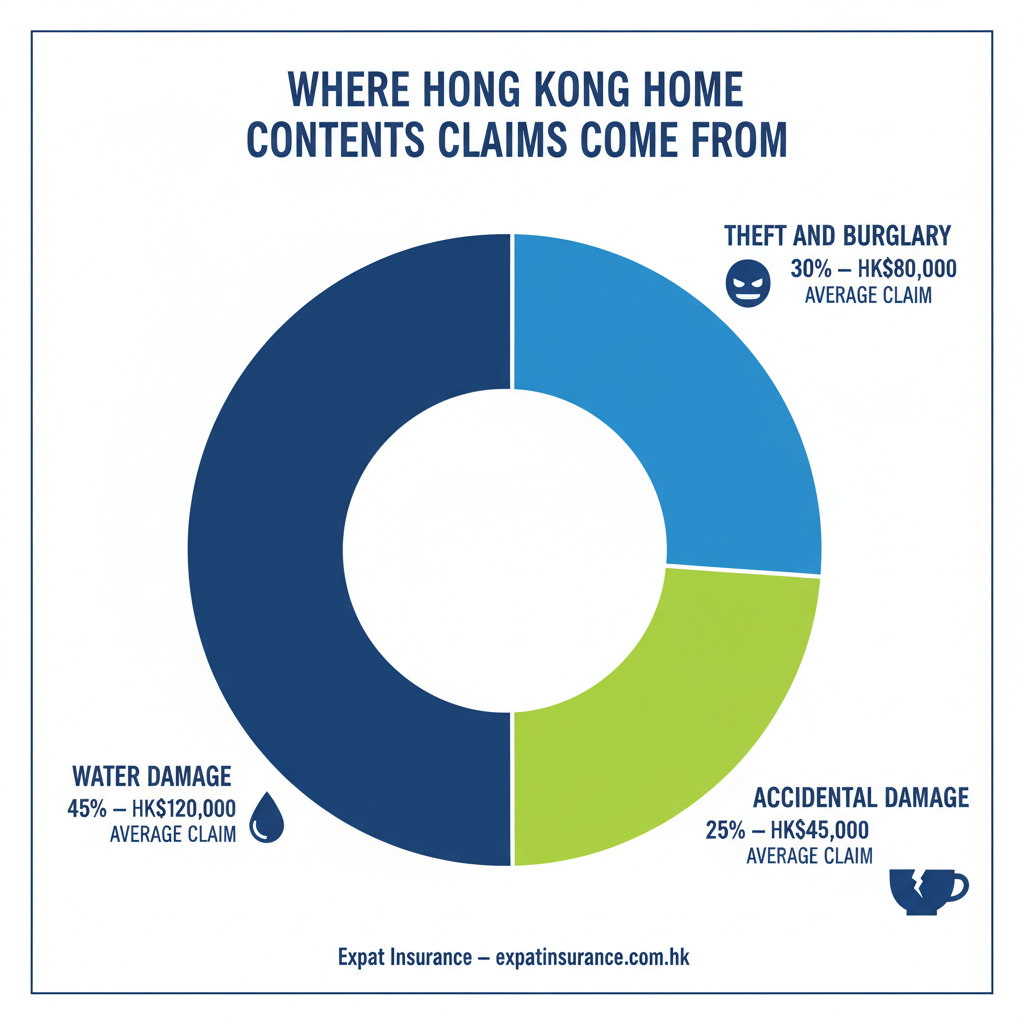
Water damage excess is typically higher than theft excess. The reason is straightforward—water damage claims(3) run higher. A burst pipe flooding three floors of a building can generate claims worth hundreds of thousands of dollars.
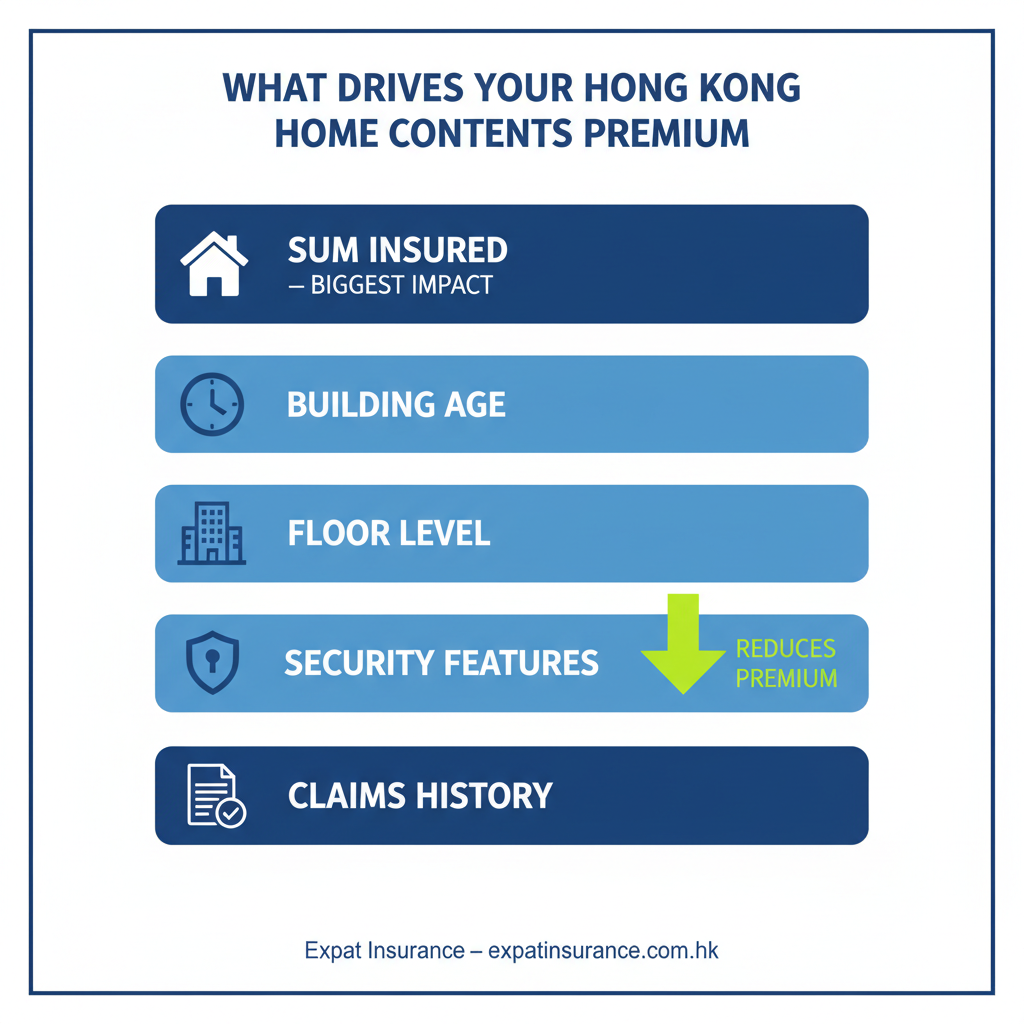
Building age influences these excess amounts too. Older buildings see more water damage claims. Historical data shows this clearly. So insurers respond by setting higher excess levels for older properties.
If you’re in a 60-year-old building versus a 30-year-old building, your water damage excess will likely be higher. The insurer has seen the claims data. They know old pipes fail more often.
The Claims History Problem
When you apply for a new home contents policy, insurers ask you to disclose your recent claim history. Generally the last three years.
This is disclosure-based. You tell them. They don’t automatically check a database.
But here’s the critical part: non-disclosure can mean complete claim denial.
Not reduced payout. Not higher premium. Complete denial.
The Hong Kong market may operate differently. But the disclosure requirement remains absolute.
If you made a water damage claim for HK5,000 two years ago and don’t mention it when applying for new coverage, you’re risking everything. The insurer might not discover the omission during underwriting. But if you make another claim, they’ll investigate. And if they find undisclosed history, they can deny the entire claim.
The Underinsurance Trap
Ask someone how much their home contents are worth. They’ll usually underestimate.
A TV—maybe HK0,000. Some furniture. A few appliances. Perhaps HK00,000 total.
Then you start adding properly.
Clothing. Books. Art. Kitchen equipment. Electronics. Miscellaneous jewellery and watches. That second laptop. The camera gear. The collection of things you’ve accumulated over years.
Suddenly you’re well over HK00,000.
Research suggests that many households may be underinsured.2 Less than a quarter knows how to calculate accurately the worth of their possessions.
Here’s what happens when you’re underinsured and face a total loss.
You’re insured for HK00,000. The actual loss is HK00,000. The insurer pays you HK00,000.
That seems fair. You insured for 500,000, you get 500,000.
But watch what happens with a partial claim.
Same scenario—you’re insured for HK00,000 but your actual contents value is HK00,000. You’re insured for 83% of the true value.
Now you have a partial claim worth HK0,000.
The insurer pays you 83% of HK0,000. That’s HK1,500.
You lose HK,500 on a HK0,000 claim because you underinsured.
This is called the average clause(4). Many insurers include it in their policies. If you’re underinsured, they reduce your payout proportionally—even for smaller claims.
From the insurer’s perspective, they may use underinsurance to their benefit, when claims happen, they pay out less.
Many Hong Kong households have no home content insurance(5) at all. That’s a lot of possessions sitting uninsured.
The Algorithmic Revolution
Insurers are moving beyond basic data.
By 2025, 91% of insurance companies had adopted AI technologies.3 Machine learning in underwriting has improved accuracy by 54%.4
Some carriers now use satellite imagery and drone inspections to evaluate property-specific risks.5 They can detect roof age and condition, missing shingles, overhanging trees, yard debris.
This is happening in markets like the US and UK. Hong Kong’s market may follow.
The technology exists to zoom in on individual properties rather than assessing large geographical areas. AI tools can deliver property-specific risk assessments that would have required human investigators previously.
But here’s the tension: this technology costs money to implement. And with home contents insurance premiums starting at HK00 annually, the business case only works at massive scale.
That’s why insurers continue prioritising straightforward cases. The technology enables faster processing of standard applications. It doesn’t make complex cases more profitable.
What You Can Actually Do
- Furniture and electronics
- Personal liability to neighbours
- Accidental damage (with rider)
- Theft + forcible entry
- Temporary accommodation
- Frozen food spoilage
- Wear and tear
- Gradual leaks
- Business equipment
- Unspecified high-value items
- Damage during renovation
- Mysterious disappearance
If you’re in a village house or older building, gather your documentation before you apply for home content insurance. Property size, built year, recent renovation details, building compliance status.
For contents valuation, go room by room. Make a proper inventory. Don’t just estimate the big items. Count everything. You’ll likely discover you own more than you thought.
Check your home content insurance policy for the average clause. Understand how underinsurance affects partial claims, not just total losses.
Disclose your claims history completely. The three-year disclosure period isn’t optional. It’s contractual. Non-disclosure can void your entire home content insurance policy.
Review your excess structure. You can’t adjust it, but you should know what you’re agreeing to. And excess terms does differ between insurers for the same property. Different excess levels for different claim types mean you need to understand what you’ll actually pay out-of-pocket for various scenarios.
And remember the fundamental economics: your insurer has designed their process around efficiency, not thoroughness. They’re optimising for volume, not individual attention.
That doesn’t make them dishonest. It makes them rational.
But it does mean you need to do the work they won’t do. Because at HK00 annually, they can’t afford to.
How You Get the Protection You Need
Home content insurance doesn’t have to be complicated. At Expat Insurance, we help you understand exactly what you’re buying and make sure your policy protects what matters most to you.
No pushy sales tactics. We have a friendly conversation, show you the lay of the land, and explain the different options available. You move forward at your own pace. People choose to work with us because we educate them on their options and help them feel confident about what will work best for them.
We’ll walk you through the valuation process so you’re not caught by the underinsurance trap. We’ll explain the excess structure so you know what you’ll pay out-of-pocket for different claim types. And we’ll help you navigate the documentation requirements, whether you’re in a high-rise apartment or a village house.
Our goal is straightforward. We want you to have home content insurance coverage that works when you need it.
Get in touch with us today. We’ll review your situation, answer your questions, and help you find a policy that provides the protection you need at a price that makes sense.
How We Work With You
Our process is straightforward and designed around your needs.
Step 1: We Talk and Answer Your Questions
When you get in touch, we’ll call you up for a friendly conversation. We’ll explain who we are, what we do, and most importantly, what we’re going to do for you specifically. We’ll answer any questions you have about home content insurance.
Step 2: We Educate You on Your Options
We’ll research the market and come up with quotes and options tailored to your situation. Whether you’re in a village house, an older building, or a standard apartment, we’ll find insurers willing to provide the coverage you need. We’ll take you through each option so you understand what’s available.
Step 3: You Decide What Works Best
We’ll meet with you in person or speak on the phone to discuss your options. We’ll explain the differences between policies, help you understand the excess structures, and make sure you’re comfortable with everything. The choice is yours. We’re here to help you make an informed decision.
Step 4: We Stay With You
Once your policy starts, we’re here to help. We’ll meet with you at least once a year to review your coverage, discuss any changes in your situation, and consider any additions you’d like to make. Your needs change over time, and your home content insurance should change with them.
How You Get The Protection You Need
Home contents insurance doesn’t have to be complicated. At Expat Insurance, we help you understand exactly what you’re buying and make sure your policy protects what matters most to you.
No pushy sales tactics. We have a friendly conversation, show you the lay of the land, and explain the different options available. You move forward at your own pace. People choose to work with us because we educate them on their options and help them feel confident about what will work best for them.
We’ll walk you through what your policy actually covers, explain the excess structure so you know what you’ll pay out-of-pocket, and help you navigate the documentation. Our goal is straightforward — we want you to have home contents insurance coverage that works when you need it.
Get in touch with us today. We’ll review your situation, answer your questions, and help you find a policy that provides the protection you need at a price that makes sense.
Get In Touch
Ready to talk through your options? Contact us today:
Website: https://expatinsurance.com.hk/contact/
Phone: +852 3563 9771
Office: Suite 701, Connaught Commercial Building, 185 Wan Chai Road, Wan Chai, Hong Kong
Email: [email protected]
Expatriate Insurance Brokers (HK) Limited — IA Licence FB1664.
Sources
- Hong Kong Insurance Authority — building-age underwriting guidance
- Hong Kong Insurance Authority — third-party liability cover guidance
- Hong Kong Insurance Authority — water damage claims data
- Hong Kong Insurance Authority — home insurance product features
- South China Morning Post — Hong Kong home insurance penetration
Information in the insurance industry changes frequently. Linked content may change or become outdated. Please always contact us for help with your important insurance decisions.