
I’ve seen this scenario play out dozens of times.
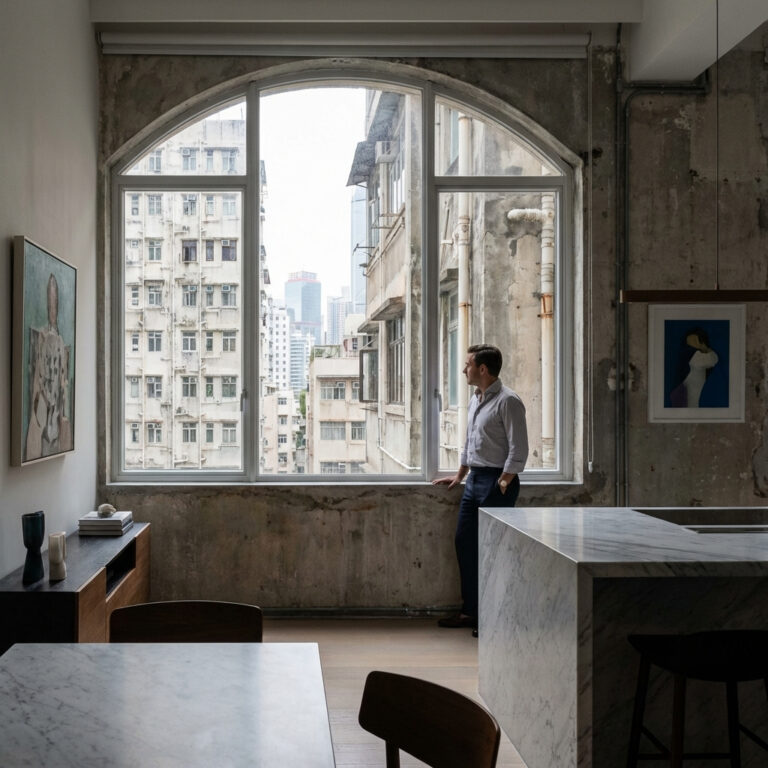
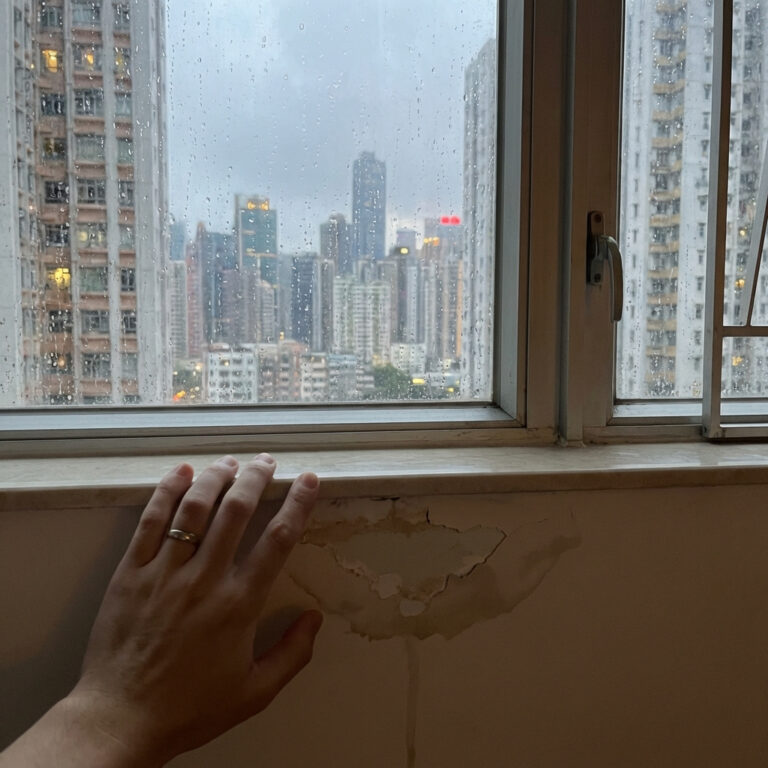
An expatriate signs a lease for a characterful pre-1970s flat in Mid-Levels or Sheung Wan. The property has been beautifully renovated—marble countertops, new fixtures, contemporary lighting. Everything looks modern and safe.
Then they try to insure it.
What follows is a series of phone calls, declined quotes, and the gradual realisation that their vintage flat—despite its renovation—sits in an insurance blind spot that’s important to understand before you need coverage.
The Age Barrier Insurers Won’t Cross
Here’s what’s important to know about valuables insurance in Hong Kong: most mainstream insurers in Hong Kong won’t touch buildings over 50 years old, regardless of their condition.
The concern centres on infrastructure behind the walls—water pipes, electrical systems, and fire prevention measures. Insurers view older buildings as higher risk for claims related to water damage from burst pipes or fire from electrical failures.
The logic seems straightforward until you examine it more closely.
In reality, an old building can be fully up to modern standards. New water pipes. Updated electrical systems. Proper fire prevention measures installed throughout.
But here’s the challenge: insurers operate on efficiency and don’t typically spend time investigating whether this is actually the case.
According to industry data, properties under 40 years old can generally be insured, though some insurers accept properties up to 60 years old. Some major insurers require homes to be in permanent residential buildings less than 51 years of age.
Even when older properties qualify for coverage, insurers add conditions—higher premiums, increased deductibles, or coverage restrictions that make the policies virtually useless for genuine protection.
The Renovation Paradox
You’d think a comprehensive renovation would solve the problem.
It doesn’t.
I’ve worked with expatriates who’ve moved into flats with brand-new plumbing, rewired electrical systems, and modern fire safety equipment. The renovation certificates prove everything meets current building codes.
The insurers still decline coverage based on the building’s construction date.
This creates what I call the renovation paradox: even when the actual risk has been eliminated through proper renovation, insurers use standardised underwriting criteria based on building age.
The issue isn’t risk assessment. It’s efficiency.
Mass-market insurers operate on volume and speed. Investigating individual building renovations takes time. It requires site visits, documentation review, and customised underwriting decisions.
For insurers processing thousands of policies, it’s simpler to apply a blanket age restriction than to evaluate each property individually.
This leaves expatriates in older buildings facing a difficult choice: accept inadequate coverage, pay significantly higher premiums, or go without insurance entirely.
The Valuables Coverage Gap
The challenge for valuables insurance becomes more complex when you want to insure high-value possessions.
Finding a home contents policy for an old building is manageable. Finding one that also covers your jewellery collection or vintage watch portfolio becomes exponentially harder.
Here’s what you need to know: most home insurance policies in Hong Kong limit single-item jewellery coverage to about HK$10,000-20,000.
According to standard policy terms, valuables coverage typically maxes out at HK$15,000 per item. For anyone with a decent watch collection or inherited jewellery, these limits render the coverage virtually worthless.
If you live in an old building and want to insure high-value valuables, you face a double qualification barrier that requires understanding specialised valuables insurance options.
The solution exists through specialised valuables insurance providers in a different insurance market.
The Hidden Market Split
There’s a market split in Hong Kong home insurance that most expatriates never realise exists.
On one side: mass-market insurers offering standardised valuables insurance policies with strict age restrictions and low valuables limits.
On the other side: specialised valuables insurance providers most expatriates haven’t discovered yet, willing to underwrite what the mainstream market doesn’t typically cover.
When I work with clients in older buildings who need valuables insurance, I look at options from these specialised providers. They assess risk differently and offer flexibility that mass-market policies don’t typically provide.
But this flexibility comes at a cost.
Specialised valuables insurance policies carry higher premiums. More importantly, they typically impose minimum premium thresholds that reflect the administrative costs of individual underwriting.
If you only want to insure one watch worth HK$120,000, you’re still paying the minimum premium. This affects the cost-effectiveness for modest valuables whilst requiring careful consideration for comprehensive valuables insurance coverage.
The Documentation Challenge
Securing coverage is only half the battle.
The other half involves proving what your valuables are actually worth.
Mass-market valuables insurance policies require a receipt or professional valuation. If you can’t produce either, you can’t insure the item at its true value.
This creates considerations for expatriates who’ve inherited jewellery, purchased watches years ago without keeping documentation, or acquired pieces in other countries where receipts have been lost in relocations.
Specialised valuables insurance providers offer more flexibility here. They accept alternative valuation methods, particularly for watches.
The approach is straightforward: collect second-hand market price references from online watch retailers and provide these as proof of value.
For jewellery without documentation, the process requires professional appraisals, which remain the gold standard for valuables insurance, though they require time and cost to obtain.
If you’re an expatriate with undocumented valuables, start building your evidence file now—before you need valuables insurance or to make a claim.
The Claims Reality Check
Here’s where theory meets reality in the most uncomfortable way possible.
I’ve seen clients insure valuables years ago at their purchase price, then file claims only to discover the payout falls dramatically short of replacement cost.
The mechanism is simple but brutal: insurers pay out based on the sum insured listed on your policy, not the market value at time of loss.
Let’s say you insured a Rolex at HK$80,000 five years ago—its purchase price at the time. Today, that same model costs HK$120,000 to replace.
When it’s stolen, you receive HK$80,000. The HK$40,000 gap comes out of your pocket.
This isn’t a claims dispute. It’s how valuables insurance fundamentally works.
The distinction between insured value and replacement value catches people off guard because it contradicts how home contents insurance typically operates. Contents coverage works on a “new for old” basis—you get replacement value.
But according to policy terms this replacement value approach doesn’t extend to individually scheduled valuables, which are paid at their insured sum.
I explain this distinction in valuables insurance to every client. Understanding this helps you make informed decisions.
Mass-market home insurance policies that include valuables insurance typically don’t allow you to insure items beyond purchase price unless you provide a professional appraisal—which requires time and cost to obtain.
The solution is annual reviews of your valuables insurance. You need to regularly update the sums insured for valuables to reflect current market values.
For watches and jewellery that appreciate over time, this means increasing your valuables insurance coverage—and your premiums—year after year.
What You Need to Know (But May Not Have Been Told)
When you’re viewing properties in Hong Kong, valuables insurance insurability should be part of your due diligence.
Before signing a tenancy agreement for an older building, here are the key questions to ask:
What is the building’s construction date? If it’s pre-1970s, you’ll want to understand valuables insurance options early.
What renovations have been completed, and is documentation available? Whilst this doesn’t guarantee coverage, it provides helpful information when discussing specialised valuables insurance.
Are there any high-value items you need to insure? If yes, research specialised valuables insurance providers before committing to the property.
These questions help you make informed decisions. Discovering valuables insurance challenges after signing a lease leaves you with fewer options.
Your Path to Proper Valuables Insurance Protection
If you’re already living in an older building with high-value possessions, here’s the practical path towards proper valuables insurance:
Understand that mass-market policies have limitations. Specialised valuables insurance exists specifically for situations like yours.
Work with a broker who understands specialised valuables insurance. Not all brokers have relationships with insurers willing to underwrite older buildings and high-value items.
Prepare your documentation. Gather purchase receipts, professional appraisals, or market comparables for all valuables you want to insure.
Budget for appropriate premiums. Expect to pay 1.5 -2% of your valuables’ appraised value annually in valuables insurance premiums.
Schedule annual reviews. Set a calendar reminder to review and update your valuables insurance coverage every 12 months.
Consider coverage layering. Sometimes the most cost-effective valuables insurance solution involves combining a basic contents policy with a separate specialised valuables policy.
The valuables insurance challenges affecting older Hong Kong buildings require understanding, but proper solutions exist. As buildings age, knowing your options becomes increasingly important.
But solutions for valuables insurance exist for expatriates willing to explore specialised options and work with brokers who understand this market.
The key is understanding valuables insurance options before you need to file a claim—when you still have time to secure proper protection.
How You Get The Valuables Insurance Protection You Need
Valuables insurance doesn’t have to be complicated. At Expat Insurance, we help you understand exactly what you’re buying and make sure your policy protects what matters most to you.
No pushy sales tactics. We have a friendly conversation, show you the lay of the land, and explain the different valuables insurance options available. You move forward at your own pace. People choose to work with us because we educate them on their options and help them feel confident about what will work best for them.
We’ll walk you through the valuation process so you’re not caught by the underinsurance trap. We’ll explain the excess structure so you know what you’ll pay out-of-pocket for different claim types. And we’ll help you navigate the documentation requirements, whether you’re in a high-rise apartment, an older building, or a village house.
Our goal is straightforward. We want you to have valuables insurance coverage that works when you need it.
Get in touch with us today. We’ll review your situation, answer your questions, and help you find a policy that provides the protection you need at a price that makes sense.
How We Work With You
Our process is straightforward and designed around your needs.
Step 1: We Talk and Answer Your Questions
We get in touch for a friendly conversation. We’ll explain who we are, what we do, and most importantly, what we’re going to do for you specifically. We’ll answer any questions you have about valuables insurance and home contents insurance.
Step 2: We Educate You on Your Options
We’ll research the market and come up with quotes and options tailored to your situation. Whether you’re in a village house, an older building, or a standard apartment, we’ll find insurers willing to provide the valuables insurance coverage you need. We’ll take you through each option so you understand what’s available.
Step 3: You Decide What Works Best
We’ll meet with you in person or speak on the phone to discuss your options. We’ll explain the differences between policies, help you understand the excess structures, and make sure you’re comfortable with everything. The choice is yours. We’re here to help you make an informed decision about your valuables insurance.
Step 4: We Stay With You
Once your policy starts, we’re here to help. We’ll meet with you at least once a year to review your coverage, discuss any changes in your situation, and consider any additions you’d like to make. Your valuables may change over time, and your valuables insurance should change with them.
Get In Touch With Us
Ready to protect your valuables properly? We’re here to help you find the right solution.
Contact Us:
Website: https://expatinsurance.com.hk/contact/
Phone: +852 3563 9771
Email: [email protected]
Office Location: Suite 701, Connaught Commercial Building, 185 Wan Chai Rd, Wan Chai, Hong Kong
Get in touch today, and let’s make sure your valuables are properly protected.
Sources
This article references information from authoritative Hong Kong sources. Please note that information online may change over time, and linked content may be updated or become outdated. Always contact us for current advice on your important valuables insurance decisions.